Key facts: Emergency Floor Drain Backup
- A trap holds a water seal that keeps sewer gas out of the room; a floor drain trap that dries out lets odor through [1].
- In a drain-waste-vent system, waste flows by gravity to the building drain, so the lowest opening shows a downstream blockage first [2].
- Most of Somerville is served by combined sewers that carry stormwater and wastewater together [3].
- Clearing a stoppage is not permit work in Massachusetts, but installing or altering drain piping is [4].
The grate itself
Why is water coming up out of my basement floor drain?
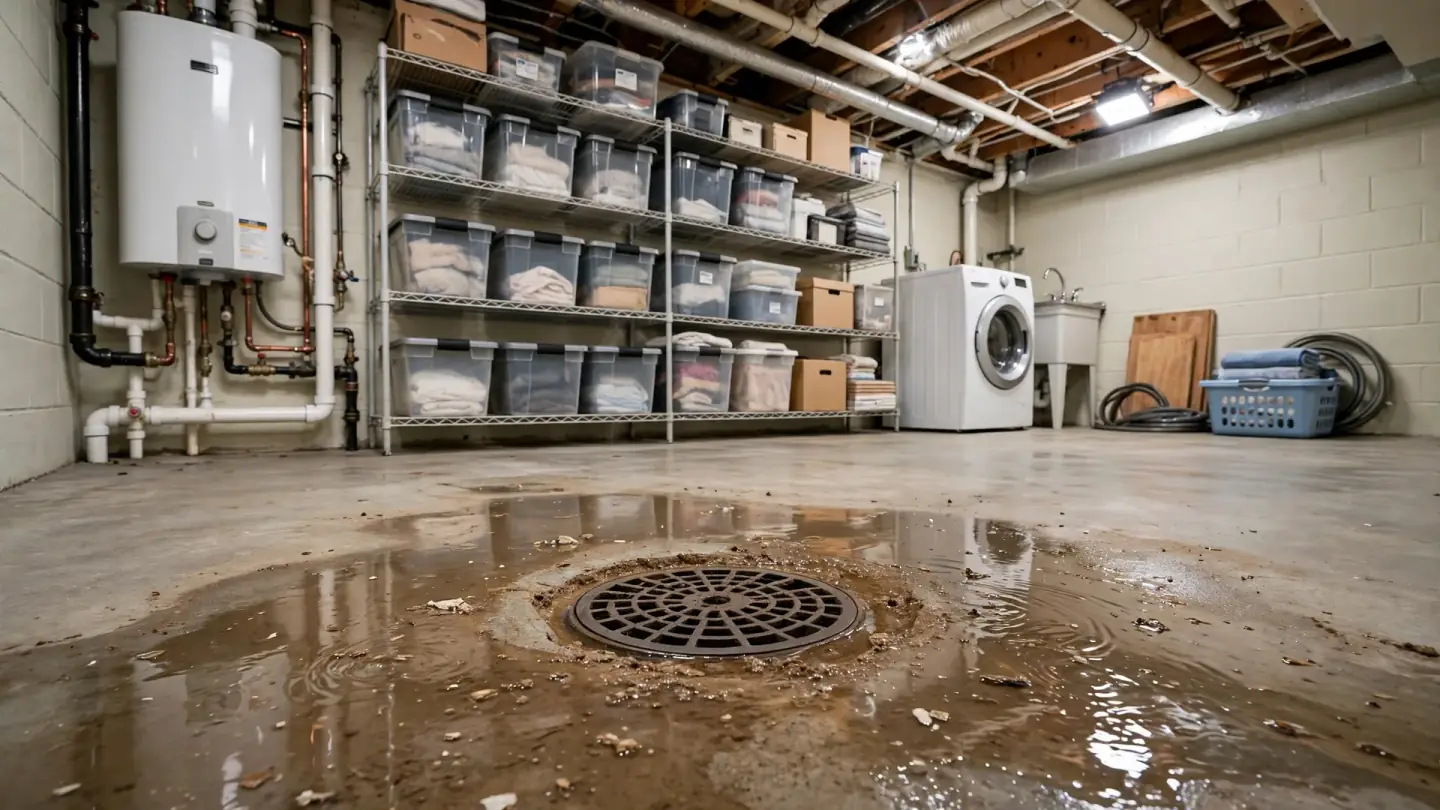
A floor drain is a fixture like any other, with a trap below the grate and a pipe that joins the building drain. Because it sits at the lowest point of the plumbing, it is where water appears when anything downstream cannot keep up [2]. Sometimes the drain's own short branch is clogged with sediment and lint. Sometimes the main building drain or lateral is blocked and every fixture above is emptying out at the grate. And in storms, the combined street sewer can run so full that it pushes back toward the house [3].
This page focuses on the floor drain as the problem you can see right now. For routine clearing of a sluggish grate, the floor drain cleaning page explains the service. For a slow, longer look at causes, see the basement floor drain backing up guide. Every urgent drain page is gathered on the emergency hub.
Clean or dirty
Clear water versus sewage at a Somerville floor drain grate
| What you see | Likely source | What to do |
|---|---|---|
| Clear water while the washer or boiler is running | Discharge the drain cannot carry away | Stop the appliance and watch whether it drains down |
| Clear water after rain with no fixtures running | Groundwater or a surcharged storm-loaded sewer | Keep watch and report street-wide problems to 311 |
| Grey, soapy water after showers upstairs | Partial blockage in the building drain | Stop water use and call about the line |
| Brown water with paper or debris | Sewage from a blocked main or lateral | Keep away, stop all water use, call for urgent help |
| Water that rises, then slowly falls back | Narrowing line that still trickles | Book clearing soon before it fully closes |
Sources nearby
Laundry, condensate and sump discharge that can flood a floor drain
In many older Somerville cellars, several things empty toward the same floor drain. Shut them down before deciding the drain itself has failed.
- The washing machine standpipe or laundry tubA washer can push a lot of water in a short burst. If the standpipe or tub overflows onto the floor, the grate may simply be catching it. The washing machine drain overflow guide goes into that in detail.
- Boiler relief or condensate linesHigh-efficiency heating equipment and some boilers route condensate or relief water toward a floor drain. A steady trickle is normal; a gush is a heating question, not a drain one.
- Dehumidifier and air conditioner hosesThese add only a little water, but they keep the trap wet, which is useful. A dried-out trap is a common source of cellar odor.
- A sump or ejector pump nearbySome basements have a pump discharging nearby. If it runs constantly during rain, the floor drain may be seeing a lot more water than it was ever meant to handle.
What not to do
Floor drain plug and cover mistakes to avoid in an emergency
- Do not seal the grate tight with a heavy objectWeighing down the cover or forcing in a rubber plug can push sewage out at the next lowest opening, such as a basement toilet, shower or laundry tub.
- Do not leave a test plug in after the emergencyA plug left in a floor drain stops it from catching leaks from a water heater or washer later, and the trap may dry out behind it.
- Do not pour bleach or acids into a backing-up grateThey will not move a main line blockage and they make the water dangerous to whoever opens the line.
- Do not try to pull the trap apartFloor drain traps are usually set in concrete. Breaking into them is repair work, not clearing.
When to call
Deciding when a rising floor drain needs an urgent drain contractor
- 1
Turn off the washer, pumps you control, and fixtures
Give the drain a few minutes with nothing feeding it.
- 2
Watch the level
If it falls back, the drain is slow but working; book clearing soon. If it stays put or keeps rising, it is an emergency.
- 3
Check the colour and smell
Any sign of sewage means stop all water use in the building and call.
- 4
Look outside and ask neighbors
Heavy rain and backups next door suggest the street sewer; report that to 311 [5] and still call about your own line if the water is sewage.
- 5
Call and describe the drain
Say where the grate sits, what discharges near it, and where your cleanout is if you know.
On the visit
What an urgent floor drain clearing visit usually involves
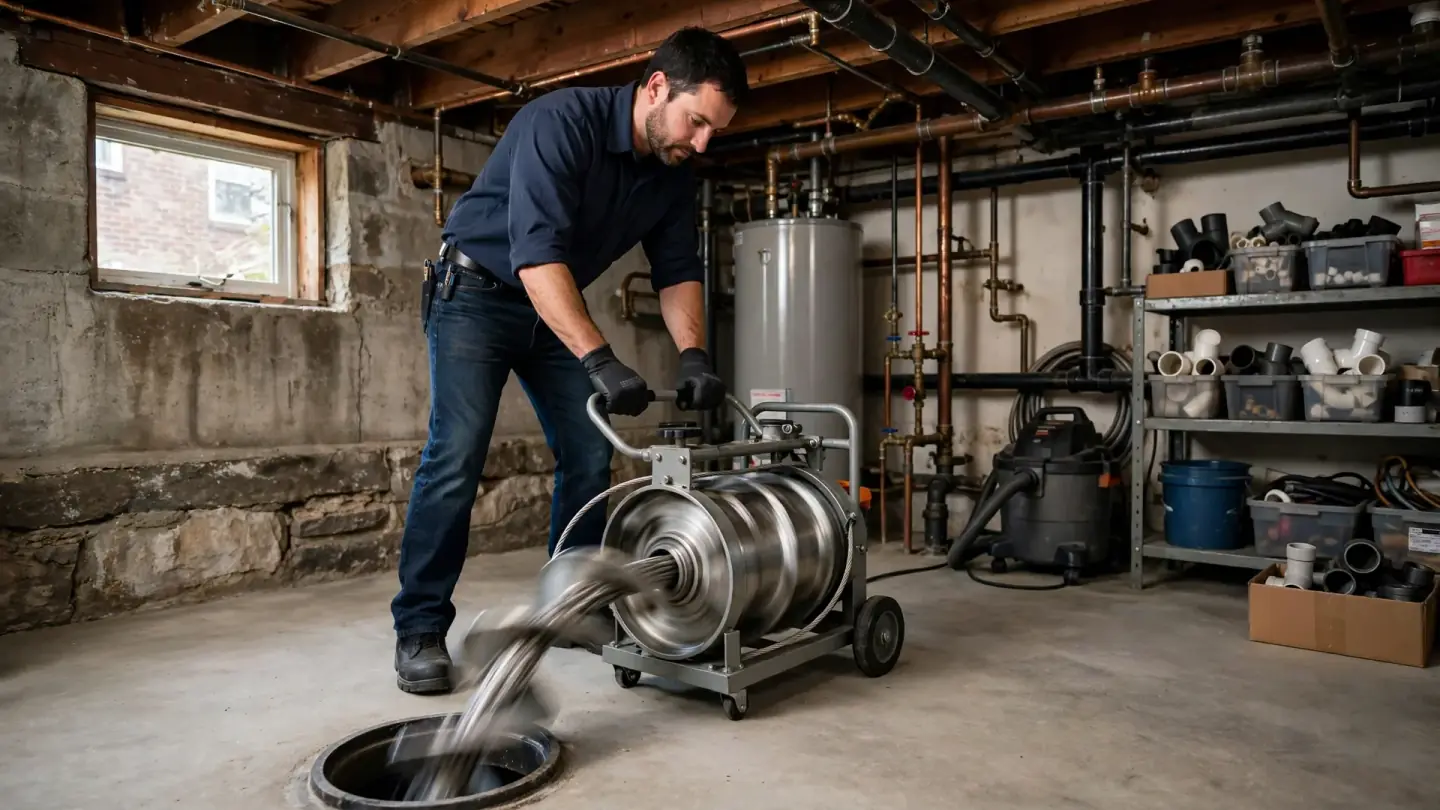
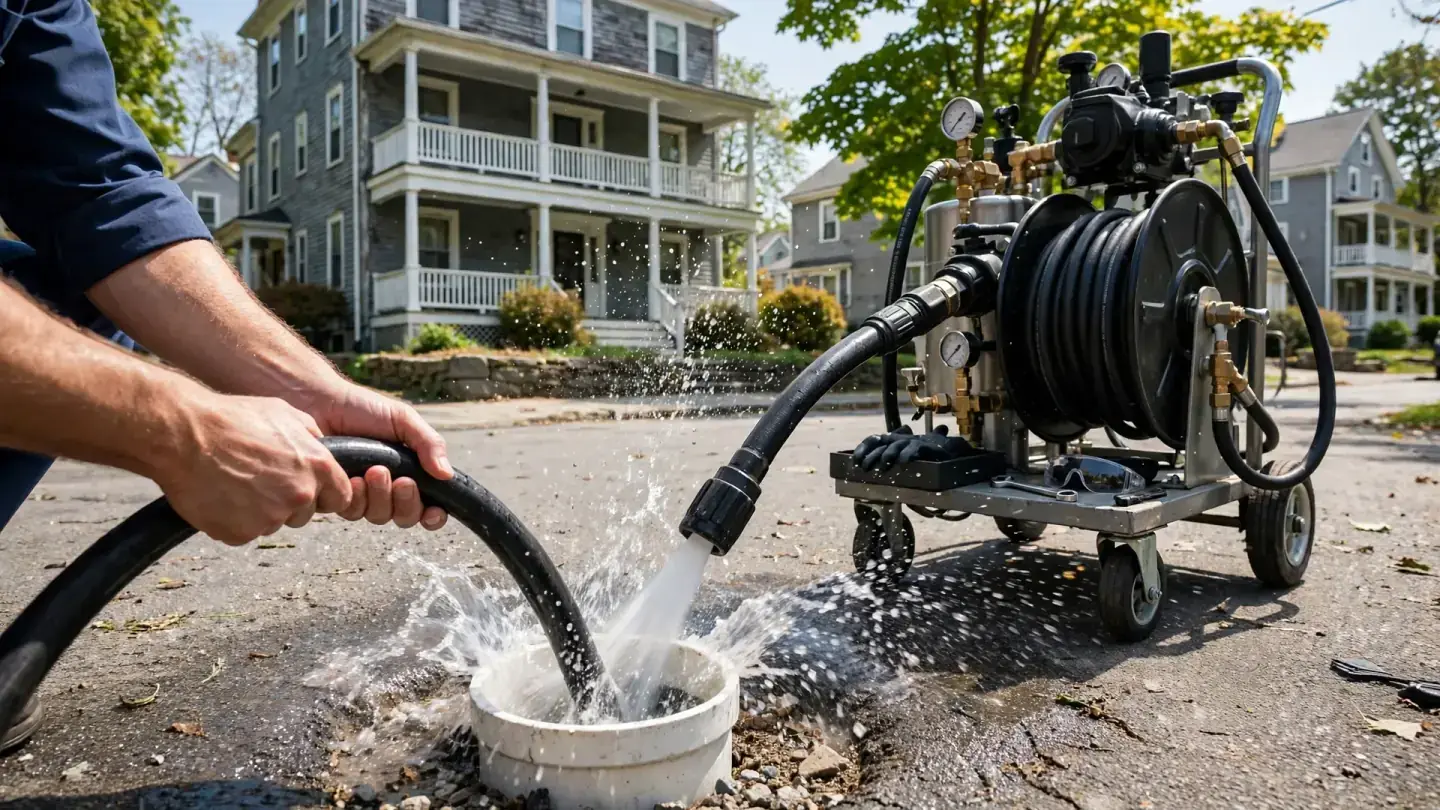
The contractor you are connected with will usually start by asking about weather and which fixtures were running. If only the floor drain is slow, they may lift the grate, remove debris from the trap and run a small cable through the branch. If every fixture is affected, they will look for the main cleanout and run a heavier machine toward the street, as described under main sewer line cleaning.
Afterward they may suggest a camera look if roots, scale from old cast iron, or a sag in the line seem likely. The cast iron drain pipe problems guide explains why older pipes narrow from the inside. Replacing a cracked trap or adding a backwater valve to a floor drain is plumbing work that needs a licensed plumber and a permit [4].
Somerville cellars
Local reasons floor drains overflow in Somerville
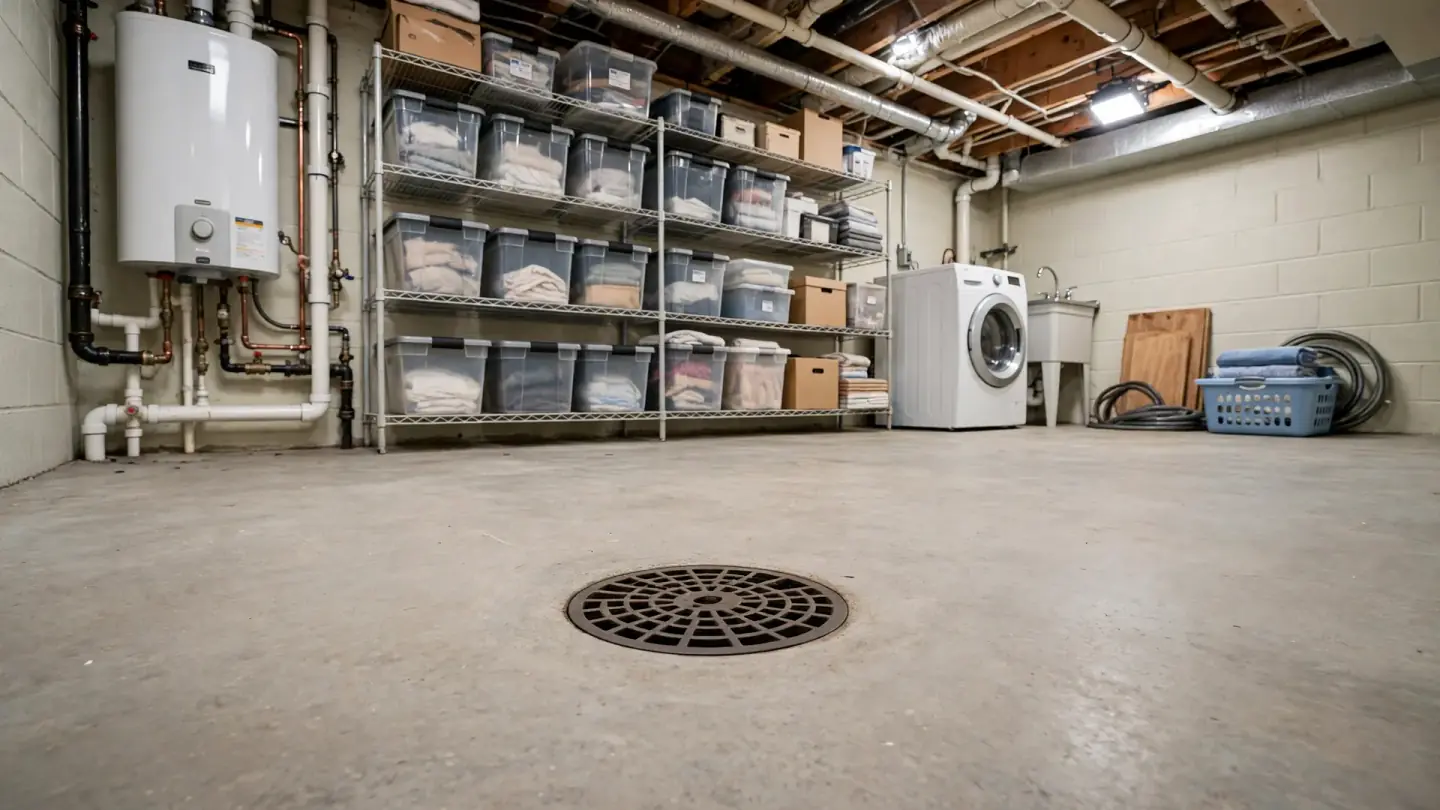
Much of Somerville's housing is older multi-family stock on small lots, and many basements hold a shared laundry, heating equipment and storage for more than one household. That puts several sources of water near one floor drain. The city's combined sewers add a second pressure during big storms, which is why the Somerville sewer overflow plan includes long-term storage and sewer separation work in parts of the city [3]. A drain that copes on a dry Tuesday can fail during a nor'easter.
If yours only rises during heavy rain, read the guide to sewer backup during heavy rain and the overview of backwater valves.
Floor drains
Basement floor drain overflow questions from Somerville homeowners
Is clear water coming out of a floor drain an emergency?
Not always. Clear water while the washer or boiler is running may just be discharge the drain cannot keep up with. If it keeps rising after you stop those, or turns grey or brown, treat it as urgent and call.
Can I put a plug in my floor drain to stop the backup?
Avoid it during an emergency. Plugging the grate can push sewage out of another low fixture, like a basement shower or toilet. Plugs and backwater valves are fitted on purpose, after the line is cleared, by a licensed plumber.
Why does my floor drain overflow when the washing machine drains?
The washer sends a big burst of water that a partly blocked branch or building drain cannot carry away fast enough. Lint and sediment build up over time. Stop the cycle and have the line cleared before the next load.
Should the boiler condensate line drain into the floor drain?
Often it does, and a slow trickle is normal. If the boiler is pushing out a lot of water, that is a heating problem for a heating technician. The floor drain only becomes a drain problem if it cannot carry normal flow.
What does a contractor do first for a floor drain backup?
They ask what was running and whether it rained, then clean out the grate and trap or go straight to the main cleanout if every fixture is affected. A cable or jetter follows, and maybe a camera.
Will the floor drain back up again after it is cleared?
It can if the cause is roots, scale or a storm-loaded sewer. Ask what came back on the cable. Roots and scale may call for scheduled cleaning; storm backups may call for a backwater valve fitted by a licensed plumber.