Key facts: Washing machine drain overflow
- Drain lines rely on vents to admit air so water can flow freely and trap seals stay in place [1].
- A trap holds a water seal that blocks sewer gas, and every washer standpipe or laundry tub has one [2].
- Clearing a stoppage is not permit work in Massachusetts, but changing drain piping or adding a standpipe is [3].
- Blockages in building drains and laterals are a common cause of basement sewage backups [4].
Short answer
Why does water come out of the pipe behind my washing machine?
Modern washers do not let water trickle out. A pump pushes the whole tub of water out in a short burst, and the vertical pipe the hose hooks into, called the standpipe, has to accept that surge. If anything below the standpipe is narrowed, water rises up the pipe and spills over the top, usually onto the floor behind the machine where nobody sees it until it reaches the hallway.
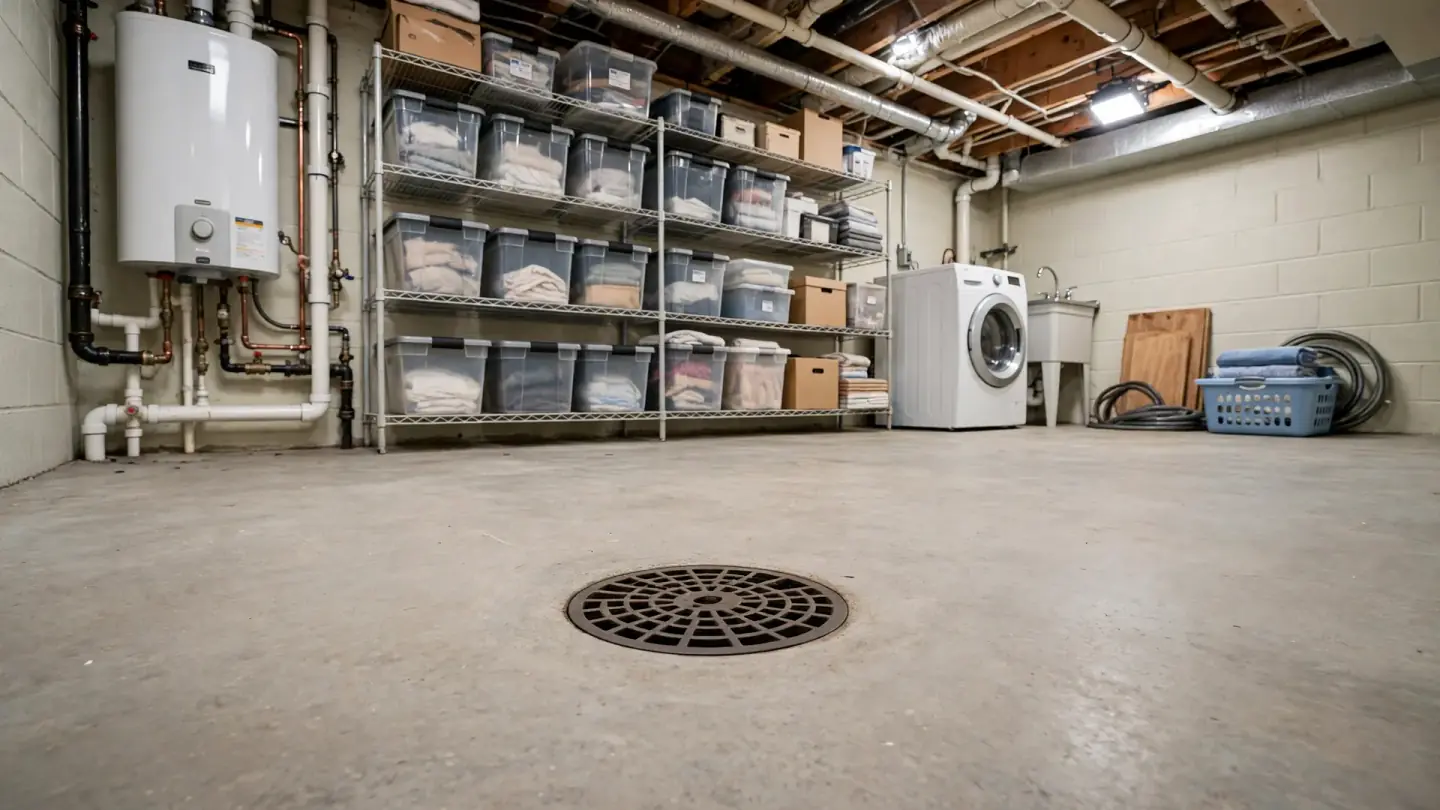
The cause is often close by: lint packed into the trap under the standpipe, or a laundry tub drain coated with soap and fabric fibers. In older Somerville basements it is just as often further away, in a cast-iron building drain that has been shrinking inside for years. The steps below help you tell which, before the next load.
Laundry clues
Washer overflow patterns and what each one usually points to
| What you see | Likely cause | What to do |
|---|---|---|
| Standpipe spills only during the spin drain | Lint or soap narrowing the standpipe trap | Have the standpipe and trap cleared |
| Laundry tub fills and drains very slowly | Fibers and residue in the tub drain line | Clean the strainer, then clear the line |
| Basement floor drain bubbles when the washer drains | Shared line or building drain partly blocked | Stop laundry and check the main line |
| Toilets upstairs gurgle during the drain cycle | Restriction below where those lines meet | Treat it as a building drain problem |
| Overflow began right after a new washer arrived | Hose pushed too far down or no air gap | Reset the hose and ask about the standpipe |
Safe checks
Simple laundry drain checks you can do between loads
- Pause the washer mid-cycleMost machines let you stop before the drain step. That gives you time to look without more water coming.
- Look at how the hose sits in the standpipeThe hose should hang a short way into the pipe with room for air around it. Jammed in tight, it can siphon water and make spills worse.
- Pull lint from the laundry tub strainerA mesh lint catcher on the hose end or tub drain fills fast. Empty it after every few loads.
- Run a sink upstairs and watch the floor drainIf basement drains react when someone else uses water, the restriction is in shared pipe, not the laundry line.
- Skip pouring hot water and chemicals inCaustic openers rarely move lint, and they make the line harder and less safe for a contractor to open.
Cause one
Lint and fabric fibers in the washer standpipe trap
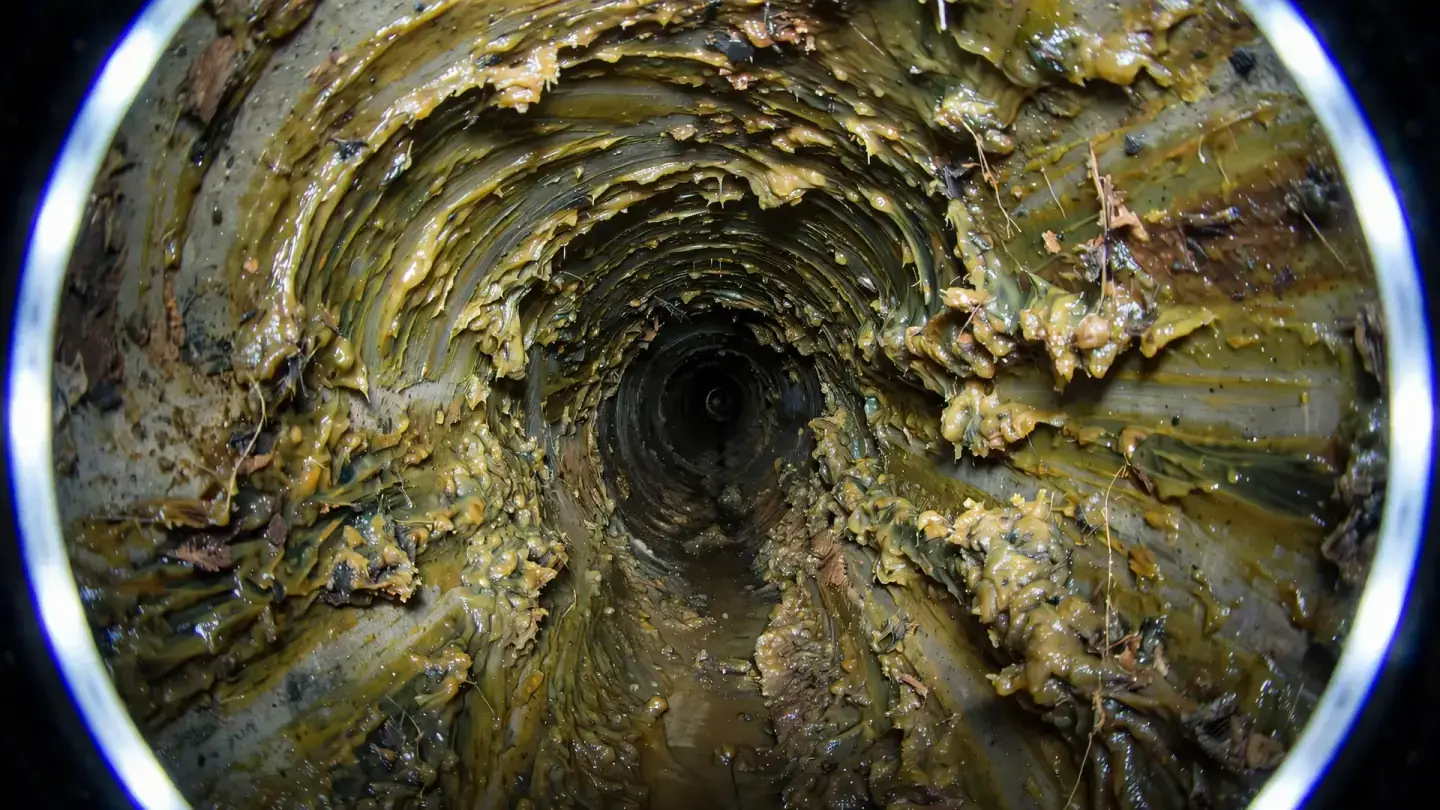
Every load sheds fibers. Most go out with the water, but some catch on the rough inside of the trap below the standpipe and on soap film, and over months they knit into a mat. Fleece, towels and pet bedding shed the most. The mat lets a trickle through, so sinks seem fine, but it cannot pass the burst a washer pump sends.
A small hand cable through the standpipe usually clears it. If the trap is old galvanized steel, the contractor may suggest it be replaced, which is a job for a licensed plumber under a permit [3].
Cause two
Laundry tub drains coated with soap residue and grit
Basement laundry tubs collect everything: rinse water from paint brushes, mop water, sand from boots. Mixed with detergent and lint, that grit settles in the tub's trap and in the horizontal run to the stack. In many older Somerville houses the washer empties straight into the tub rather than a standpipe, so the tub drain carries every load.
When the tub drains slowly even with no washer running, the line itself is narrowing. Clearing it with a cable, and sometimes hydro jetting for a heavily coated run, restores the full opening.
Diagnosis
How a contractor tracks down a washer overflow in an older house
- 1
Watching one drain cycle
They watch where water rises first: the standpipe, the tub or the floor drain.
- 2
Testing the laundry line alone
Filling the tub and letting it go shows whether the branch carries water freely without help from other fixtures.
- 3
Cabling from the standpipe or a cleanout
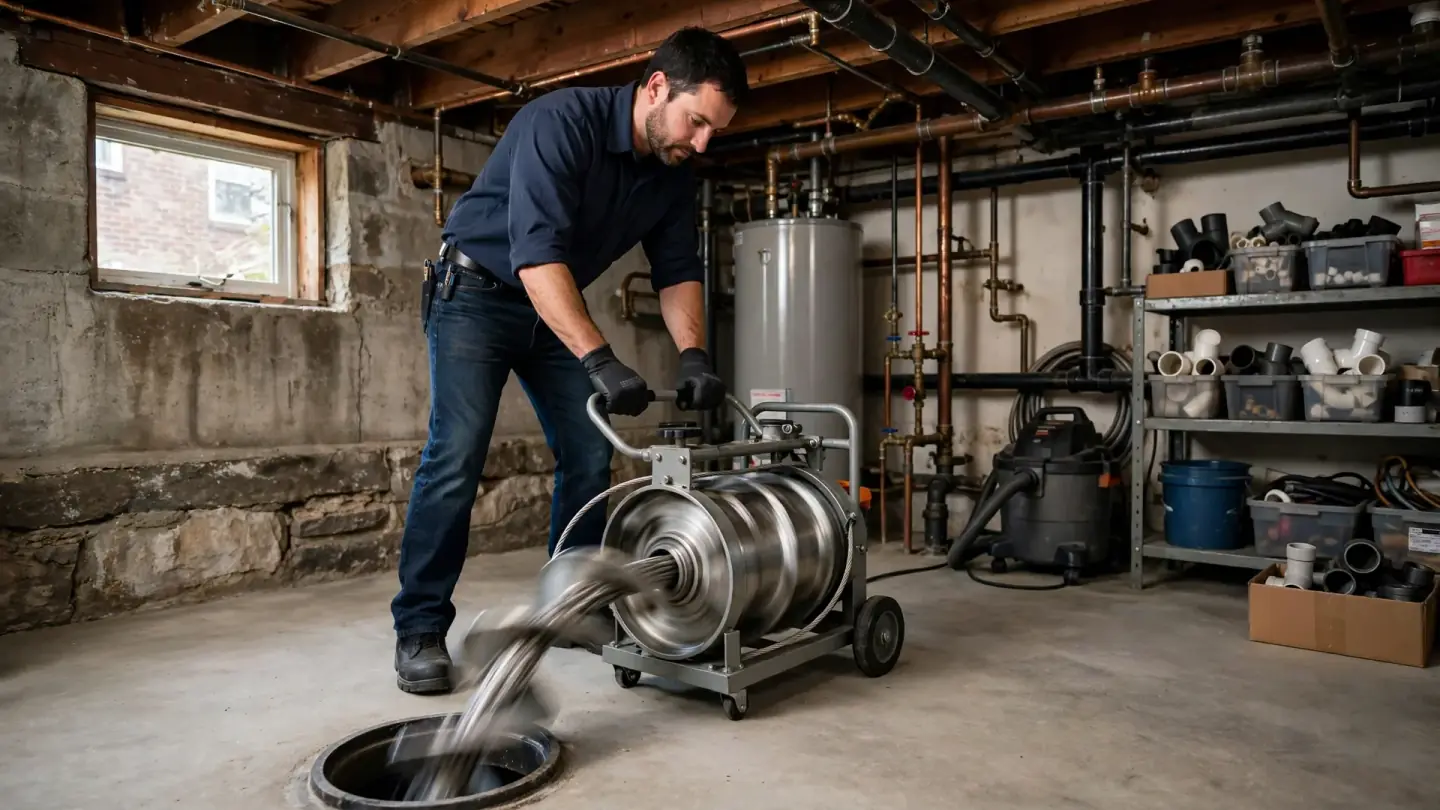
A small cable handles a local lint mat; a heavier machine from the basement cleanout handles the building drain.
- 4
Checking vent and air gap
Gurgling or siphoning can mean the vent is restricted, which affects how the laundry line drains [1].
Before you call
Laundry overflow details that help the drain contractor
- Where the water appearedStandpipe top, laundry tub rim or basement floor drain.
- Which part of the cycle triggered itThe final spin drain is the biggest surge; a mid-cycle drain is smaller.
- Whether other drains reactMention gurgling toilets or slow sinks in other units.
- Any recent changesA new washer, a moved hose or new piping all change how the drain behaves.
Laundry questions
Spoken questions about a washing machine drain that overflows
Why does my washer standpipe overflow but the sinks drain fine?
Because the washer pumps out far more water at once than a sink ever sends. A partly blocked trap or branch can pass a sink's trickle yet still choke on a washer's surge.
Can I just push the washer hose deeper into the standpipe to stop spills?
No, that usually makes things worse. A hose jammed deep can block air and siphon water out of the machine. Leave room around the hose and fix the restriction below it instead.
Is it okay to keep doing laundry if the floor drain gurgles a little?
It is a warning, so hold off on big loads until the line is checked. Gurgling at the floor drain during the spin drain usually means a shared or main drain is narrowing.
Does a laundry tub drain need its own cleaning?
Yes, laundry tubs collect lint, grit and soap that sinks in the house never see. When a tub drains slowly with no washer running, the tub line itself needs clearing.
Will a lint trap on the washer hose really make a difference?
It often does, especially in homes that wash towels, fleece or pet bedding. Empty it regularly, since a full lint catcher can slow the discharge and cause its own spill.
Does moving the washer to a new spot need a plumbing permit in Somerville?
Adding or rerouting a standpipe or drain is plumbing work, which in Massachusetts needs a licensed plumber and a permit from the local inspector. Clearing a clog in the existing line does not.