Key facts: Spring Hill
- Spring Hill is a drumlin left by glaciers in central Somerville, lying between Somerville Avenue and Highland Avenue, from Willow Avenue east toward Elm Street, with Summer Street on its crest [1].
- Most building took place from the 1840s to the early 1900s, in Greek Revival, Italianate, Gothic Revival and Queen Anne styles [1].
- A water standpipe built in 1889 made building practical on the higher ground [1].
- In 1989 the Spring Hill Historic District was entered on the National Register, the federal list of historic places [1].
Houses on the ridge
What Spring Hill homes are like, from the crest down
Spring Hill is one of the drumlins that give Somerville its hills: a smooth, elongated mound left behind by glacial ice [1][5]. It runs through the center of the city, roughly in the blocks framed by Highland and Somerville avenues and by Willow Avenue and Elm Street, and Summer Street follows its crest [1].
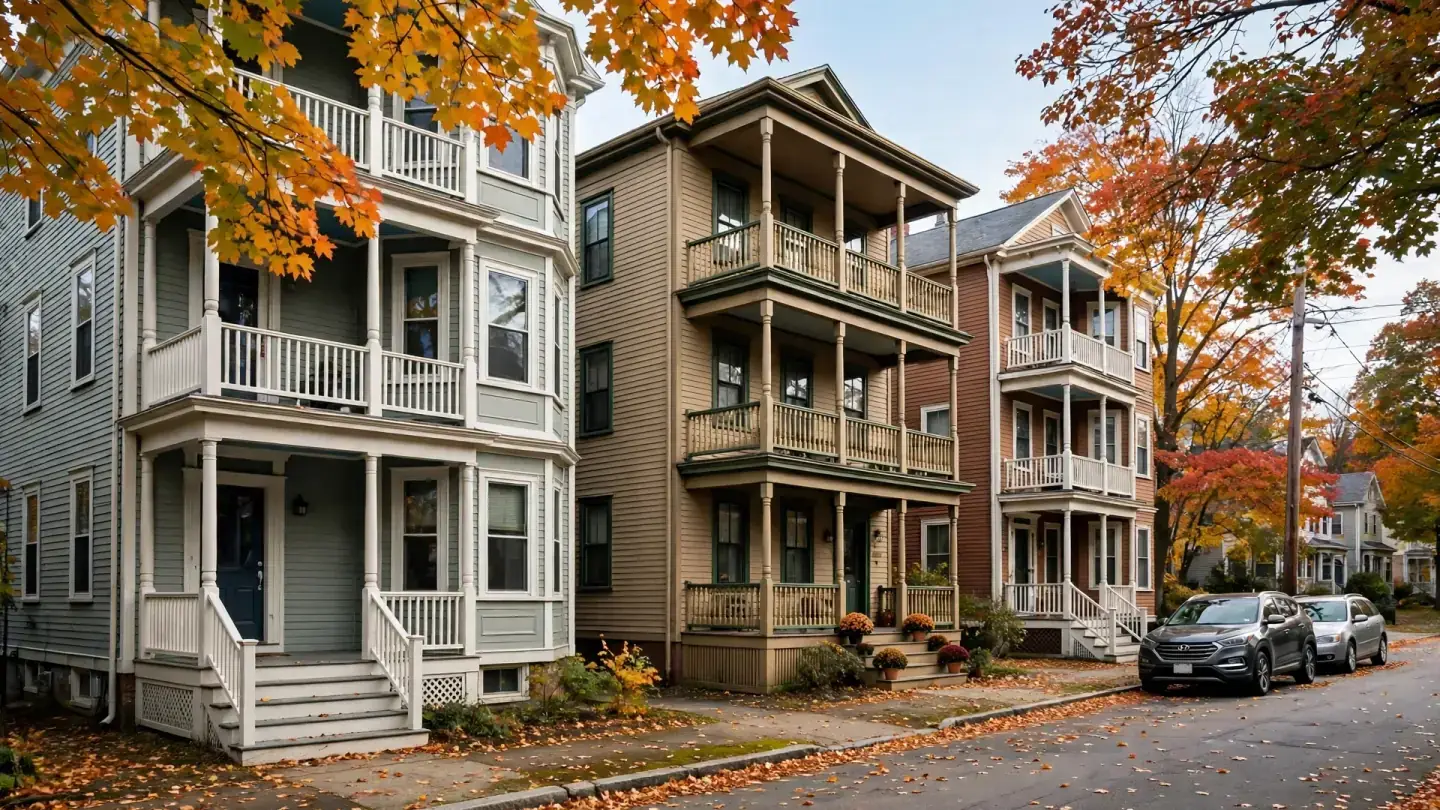
Building here started in the 1840s. The earliest houses are Greek Revival, followed by Italianate and Gothic Revival houses in the middle of the century and Queen Anne houses toward its end [1]. Higher ground was harder to serve with water until a standpipe was built in 1889, after which houses climbed further up the slope; in the early 1900s triple-deckers filled most of the remaining lots [1].
So a walk along one Spring Hill street can take you past a mid-1800s single-family with a deep side yard, a Victorian two-family with a rear ell, and a triple-decker squeezed onto the last open lot. Each has plumbing that was added or updated at a different time. The oldest houses were built before indoor plumbing was standard, so their drains were retrofitted, often more than once.
What ties them together is the ground. Lots on the side of a drumlin slope noticeably, and the house is often well above or below the street. That has a direct effect on the length, depth and pitch of the lateral that carries everything from the house to the sewer.
What contractors run into
Drain conditions Spring Hill houses of this age commonly have
Long sloped laterals down Spring Hill lots
Houses set back and above the street commonly have a long lateral; more length means more joints where roots or settling can cause trouble.
Retrofitted drains in Spring Hill's oldest houses
Homes built before indoor plumbing commonly have drains routed through added chases and closets, with awkward turns that collect debris.
Clay pipe joints beneath old yards and walls
Older laterals of clay pipe have joints every few feet, and those joints can loosen and admit roots over many decades.
Steep pitch and solids left behind
A very steep run can let water rush ahead of paper and solids, leaving them stranded at the bottom where the pipe flattens.
Slope and laterals
How does a hillside lot on Spring Hill affect the sewer line?
Gravity is the whole job of a drain. On flat ground, the problem is usually too little fall, so water moves slowly and solids settle. On a hillside, the opposite can happen. A lateral that drops steeply lets water outrun what it carries, and paper and waste can be left in the pipe at the point where the slope eases, often near the street.
Houses on the uphill side of a Spring Hill street can have laterals that run a long way across a front yard and down a slope or steps before reaching the sewer. Houses on the downhill side may need their drain to leave the foundation fairly deep so it can still reach the street main, and a few may sit close to the main's own level.
Length matters as well. Every few feet of older pipe has a joint, and every joint is a place where roots can find moisture or where the ground can shift slightly. On a long lateral, a contractor clearing a clog may need to run cable a considerable distance, so a cleanout close to the house or near the property line makes a real difference.
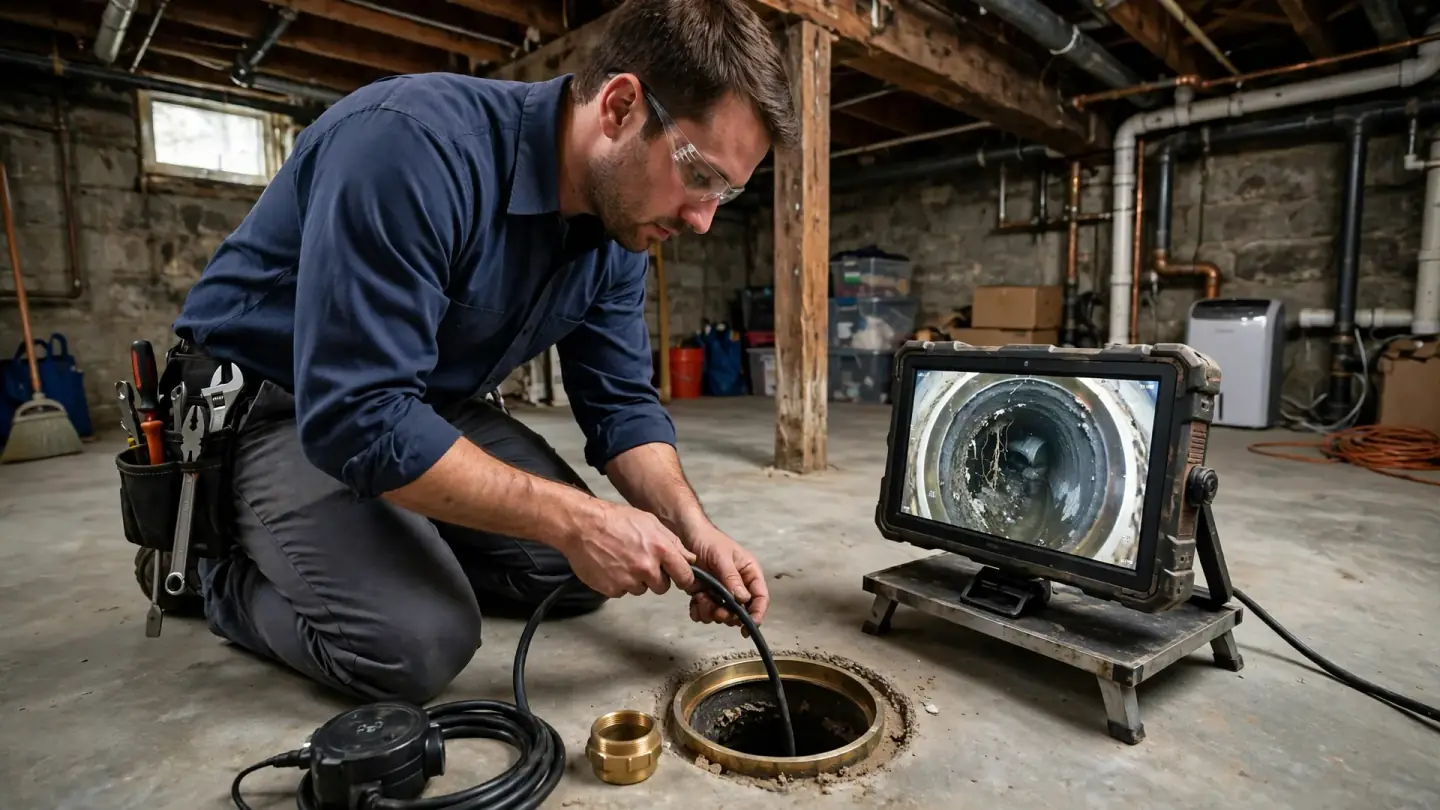
When a line on a slope clogs more than once, a sewer line inspection with a camera is usually more useful than repeated snaking. It shows exactly where the trouble sits, and a locator can find that spot from the surface, which matters on a lot with walls, steps and old trees.
Roots and clay
Why do roots keep finding Spring Hill clay sewer pipes?
Vitrified clay pipe was the standard material for house sewers for generations, and it resists corrosion well [2]. Its weakness is the joints. Older clay lines were joined in short sections, and as the seals age and the ground moves, small gaps open that let moisture out and fine roots in [2].
Spring Hill's older yards often have mature trees and shrubs, some of them close to the line. Roots inside a clay lateral grow into a mat that catches paper and slows flow. Clearing them with a cutting head restores the line, but roots usually return to the same joints, so many owners combine periodic clearing with a camera look to see whether a joint needs repair. The guide to tree roots in clay sewer laterals explains the options in more detail.
Whether the clay continues all the way to the street, or changes to iron or plastic partway, varies from house to house. The only reliable way to know is to look inside.
Historic district
Drain repairs inside the Spring Hill Historic District
In 1989 the Spring Hill Historic District was entered on the National Register, the federal list of historic places [1]. A National Register listing recognizes a district's significance, but by itself it generally does not dictate what a private owner does with buried pipes. Some Somerville properties are also covered by local historic district rules, so if your house is locally designated, check with the city before changing anything visible from the street.
For drains, the practical concern is the streetscape: granite steps, stone retaining walls, iron fences and old walks. Clearing a line and inspecting it with a camera disturbs none of these. If a repair is needed, pinpointing the trouble spot with a camera and locator keeps any excavation small and well away from features that would be hard to rebuild.
By house type
Spring Hill house types and their typical drain layouts
| House type | Usual drain arrangement | What to watch |
|---|---|---|
| 1840s–1860s Greek Revival or Italianate | Drains retrofitted through closets and added chases | Tight turns, mixed materials |
| Later Victorian two-family | Stack per unit or shared stack, rear ell kitchen | Kitchen branch grease, long building drain |
| Early-1900s triple-decker | One central stack serving three flats | Clogs at the base of the stack |
| House set high above the street | Long, steep lateral down the lot | Stranded solids, root-prone joints |
| House set below the street | Deeper building drain, little fall | Slow flow, possible backflow |
Permits and boundaries
Spring Hill permits, digging rules and inspectors
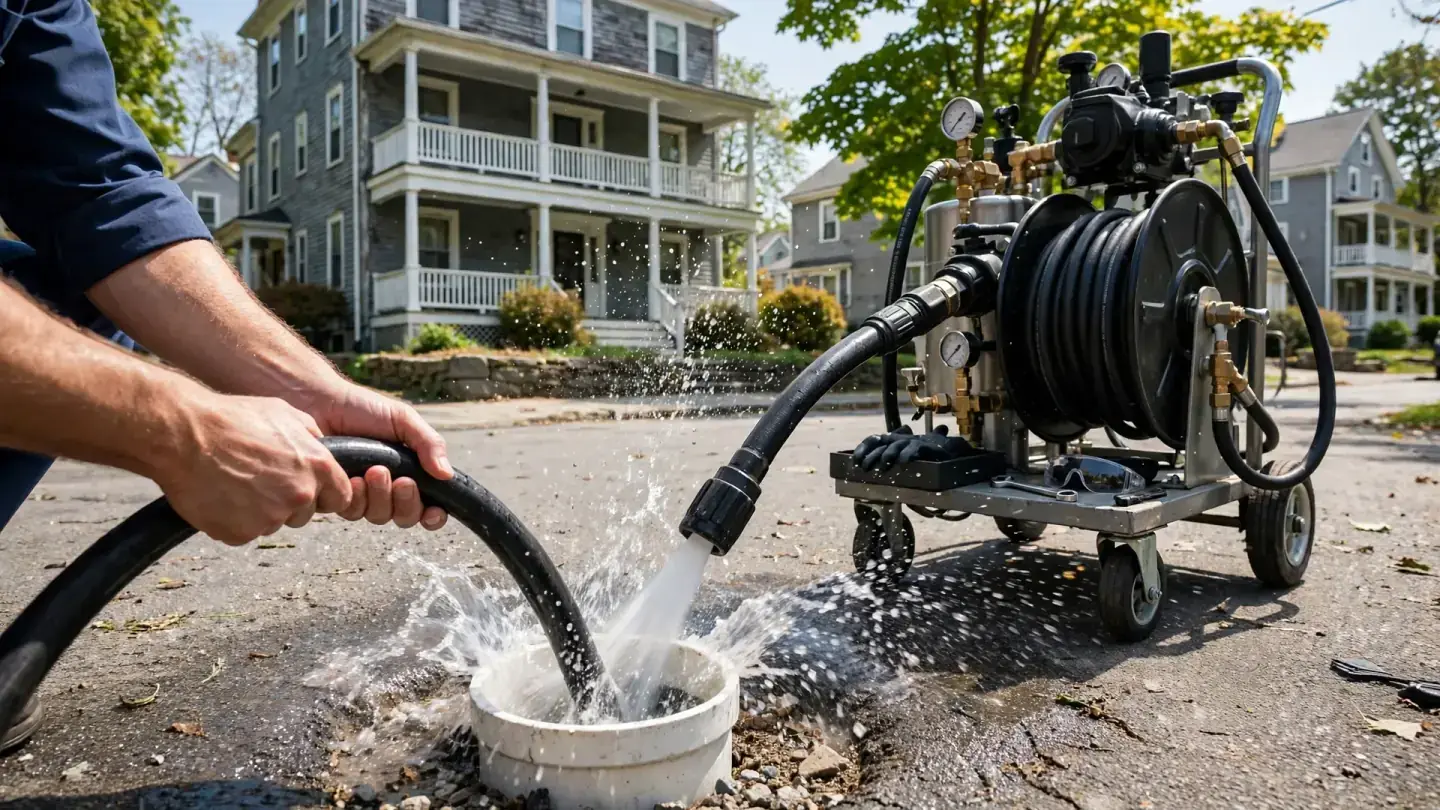
- Spring Hill clog clearing needs no permitRunning a cable or jetter through a blocked Spring Hill line counts as clearing a stoppage, which 248 CMR 3.05 leaves outside the permit requirement [4].
- Lateral repair is licensed, permitted workReplacing pipe or adding a cleanout needs a Massachusetts-licensed plumber and a permit from Somerville Inspectional Services [4].
- Dig Safe before any excavationBefore digging, even on private property, the area must be pre-marked in white and 811 called at least 72 business hours ahead; the ticket lasts 30 days [3].
- Where city responsibility startsAsk Somerville's Water and Sewer Department where private responsibility ends on your street before planning work near the curb [6].
Planning a visit
Planning a drain contractor's visit to a Spring Hill house
Spring Hill streets are narrow, and some climb steeply. Parking is mostly residential permit parking on one or both sides. When you call, describe how close a van can get and whether equipment will have to come up front steps or along a side path.
Inside, find the cleanout in advance. In the oldest houses it may be in an awkward corner of a low cellar; in triple-deckers it is usually near the front wall where the drain exits. If the house is divided into units, let the other households know the work is planned and ask them to hold off on water use. And if you have old plans, a prior camera video or notes from an earlier clearing, have them handy. On a long lateral, knowing where earlier trouble was found saves a lot of searching.
Before buying
Buying an older Spring Hill house: questions to ask about the drains
A home inspection usually stops at the fixtures and the visible pipe in the basement. It rarely looks inside the lateral, which on Spring Hill may run a long way down a slope under walls and steps. For a house of this age, a camera inspection of the line before buying is a reasonable step, and it shows the pipe material, any roots, and whether the run has settled or shifted.
Ask the seller whether the line has ever been cleared, replaced or lined, and whether there are records. Older houses that have been well kept often have a folder of receipts and sometimes a video from an earlier inspection. If the house has been converted into units, ask how the drains are arranged and whether the units share one lateral, which is common.
Pay attention to where the cleanout is, or whether there is one at all. A house with no accessible cleanout is harder to service, and adding one is a small project that a licensed plumber can do under a Somerville permit.
Old trees, old walls
Spring Hill retaining walls, steps and the pipe beneath them
Because so many Spring Hill lots are terraced, the lateral often passes under a retaining wall, a flight of granite steps or a stone-edged path on its way to the street. Those features were usually built long before anyone thought about getting to the pipe again. When a line under them needs attention, the first job is finding out exactly where it runs and how deep it is.
A sewer camera pushed from a cleanout carries a small transmitter in its head. A locator above ground picks up that signal, so the contractor can mark the route and depth on the surface, including the exact point of a break or root mass. That turns a vague worry about digging up a wall into a specific decision about one small spot.
Many problems on these lines never need digging at all. Roots can be cut, grease and scale can be cleared and the line can be watched over time. If a repair is needed, knowing the location precisely lets a licensed plumber plan the smallest practical excavation, file for the Somerville permit and call Dig Safe before any ground is opened.
FAQ
Spring Hill drain questions about slopes, roots and the district
Can a sewer line be too steep on a Spring Hill lot?
Yes, a very steep run can cause its own trouble. Water rushes ahead and strands solids where the pipe levels out near the street, so clogs build at that flat spot. A camera inspection shows whether that is happening and exactly where the buildup sits before anyone decides on cleaning or repair.
Does the historic district limit drain repairs on Spring Hill?
Generally not for buried private pipes, since National Register listing alone does not control them. If your property falls under local historic district rules, check with the city before changing anything visible, such as walls, steps or fences that a sewer dig would disturb. Clearing a clog itself raises no historic questions.
How is drain cleaning on Spring Hill different for long laterals?
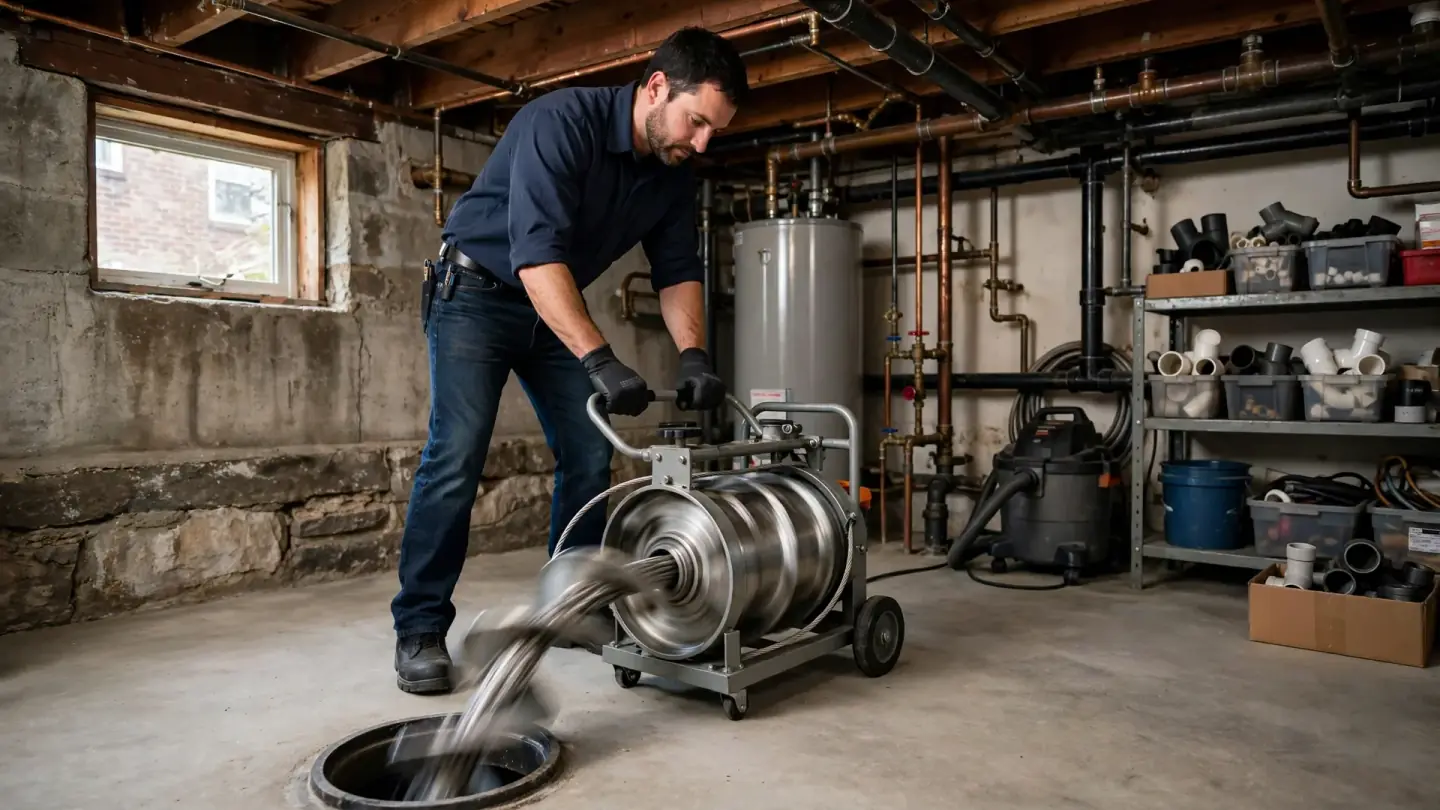
It often takes a longer cable or jetter hose and a cleanout close to the trouble spot. Spring Hill houses can sit well back and above the street, so the lateral is long. If the same line clogs repeatedly, ask about a camera look to see whether a sag, root or joint is to blame.
Why do roots keep coming back in my Spring Hill sewer?
Because cutting roots clears the pipe but leaves the gap they came through. Roots enter clay laterals at small openings in the joints, chasing moisture, and regrow from what remains. A camera shows which joints are involved, so you can choose between regular root cutting and repairing those joints.
Do I need Dig Safe for a small hole in my own Spring Hill yard?
Yes, Massachusetts requires a Dig Safe notice before any excavation, even on private property. The dig area is marked in white and the call goes in at least 72 business hours ahead. When a contractor is excavating for a sewer repair, they normally handle the Dig Safe notice as part of the job.
Why is my Spring Hill basement drain fine but the yard cleanout overflows?
That points to a blockage between the cleanout and the street, not inside the house. Water from the house reaches the cleanout, cannot get past the clog, and rises there. Stop using water, keep the cap clear, and ask about main sewer line cleaning for the run under the yard.
Are Spring Hill drains similar to the rest of Somerville?
Partly, but the ridge sets it apart. Houses span the Greek Revival era into the early twentieth century, on lots that slope sharply, often with mature trees. The Somerville neighborhoods page shows how this compares with flatter, denser places like Union Square, where grease and shared lines matter more.