Key facts: Sewer smell in the basement
- A plumbing trap holds a small seal of water that keeps sewer gas from entering a room; if it evaporates, gas can pass [1].
- Hydrogen sulfide gives sewer gas its rotten-egg smell; at high concentrations it deadens the sense of smell and is dangerous [2].
- Vents in a drain-waste-vent system carry sewer gases up and out above the roof [3].
- Replacing cracked drain pipe in Massachusetts is permitted plumbing work for a licensed plumber [4].
Short answer
Why does my basement smell like sewer?
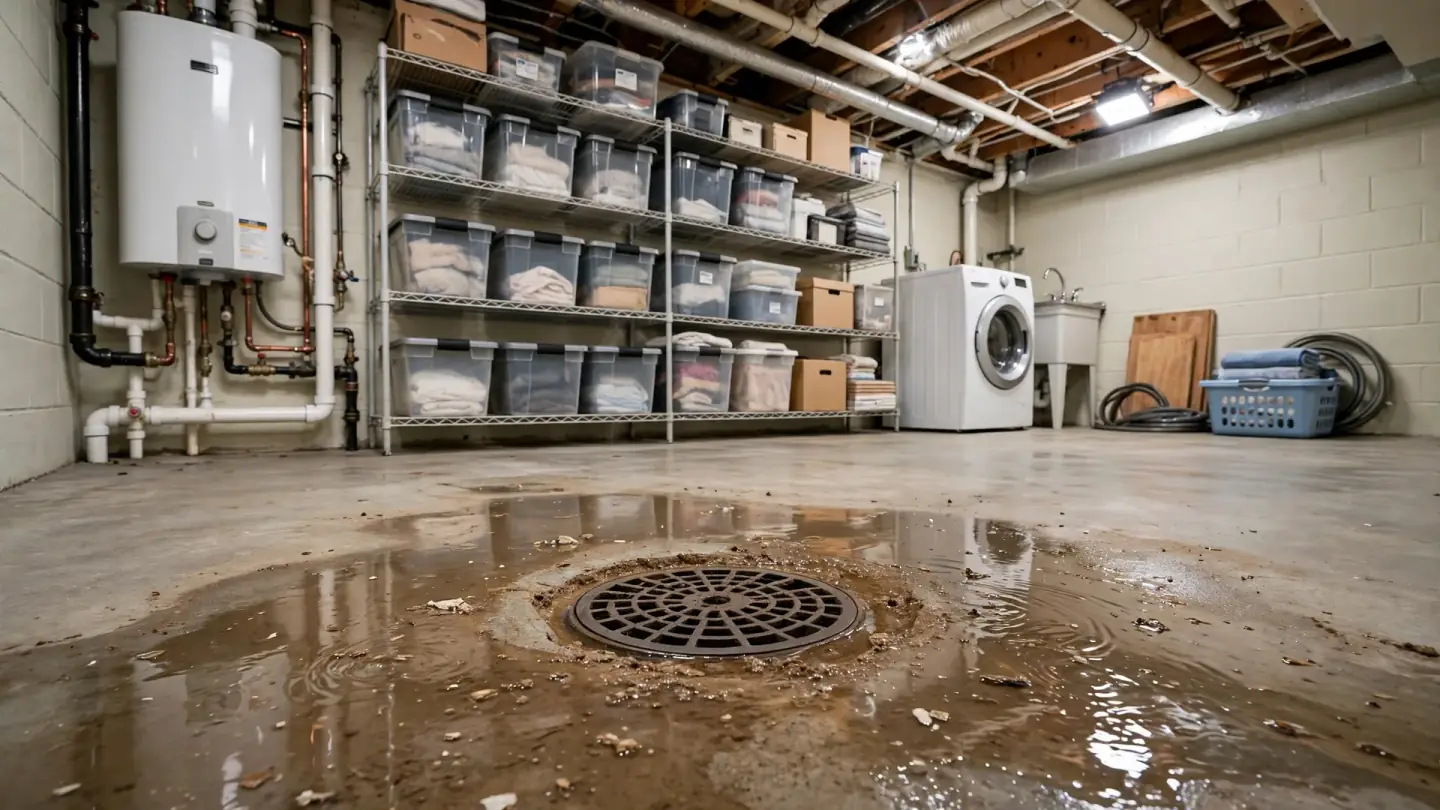
Every fixture connected to your drains has a trap, a bend that holds water and blocks gas from the sewer [1]. A basement floor drain that rarely sees water is the most common source of a sewer smell in the basement, because its trap slowly evaporates, especially when the heat is running in winter. Pour a gallon of water into it and the smell often fades within a day.
If refilling traps does not help, the gas is getting out somewhere else: a loose cleanout cap, a cracked cast-iron fitting, a failed seal at the base of a toilet, or a vent that is not working [3]. That is when a contractor's drain camera inspection or a smoke test earns its keep.
Odor clues
Where the basement odor comes from and how to respond
| What you see | Likely cause | What to do |
|---|---|---|
| Smell strongest near the floor drain, no backup | Dried trap seal | Pour water in the drain and recheck in a day |
| Smell near the front wall where the main exits | Loose or cracked cleanout cap | Ask a contractor to reseat or replace the plug |
| Smell plus a damp patch on a pipe or the floor | Crack in cast iron or a leaking joint | Have the pipe looked at; repair is permit work |
| Smell after toilets flush, plus gurgling | Vent problem pulling traps dry | Mention both symptoms; the vent may need clearing |
| Smell with slow drains and a wet floor drain | Partial blockage in the main line | Arrange main line clearing and a camera look |
Safe checks
Low-risk ways to narrow down a cellar odor
- Refill every trap you can findRun water into the floor drain, laundry tub, any basement shower and the washer standpipe. Then wait a day and see if the smell changes.
- Sniff in a patternWalk the cellar slowly and note where the smell is strongest. Write it down; that location is the single most useful thing to tell a contractor.
- Look, don't twistCheck whether cleanout caps look cracked or loose, but don't unscrew them. A cap on a full line can release wastewater.
- Check above the cellar tooNote whether the smell rises into the first-floor bathroom. Odors near a toilet base point to a failed wax seal rather than the cellar pipes.
Cause one
Dry trap seals in a seldom-used Somerville floor drain
Floor drains in Somerville cellars were often installed for a washing machine or for water heaters that have since moved. Without regular water, the seal in the trap evaporates over a few weeks, faster in a heated cellar. Once it is gone, there is an open path from the sewer to the room.
Refilling is the fix, and a monthly bucket of water keeps it that way. Some owners add a trap primer or a one-way insert, which should be fitted by a plumber. If the trap will not hold water at all, it may be cracked, which a floor drain cleaning visit can check.
Cause two
Cracked cast iron along the cellar ceiling and wall
Many older Somerville homes still have their original cast-iron drains. Over generations, the inside corrodes and the bottom of horizontal runs can thin until a hairline crack opens along the length of the pipe. These cracks often leak just enough gas to smell and just enough water to leave a rusty stain.
A camera from the inside, or a careful look at stains on the outside, usually finds them. Cutting out a cracked section and replacing it is plumbing work that needs a licensed plumber and a permit in Massachusetts [4].
Cause three
Backups and slow mains that keep the smell coming back
A main line that is partly blocked holds wastewater in the cellar pipes longer than it should, and standing waste gives off more gas. If the floor drain also has a damp ring, or if Somerville's combined sewer has backed water into the drain during a storm [5], cleaning the drain and the line through main sewer line cleaning often clears the odor along with the clog.
Diagnosis
How a contractor pins down basement sewer gas
- 1
Hearing where the smell is strongest
Your notes on location and timing guide everything else, so expect questions about when it is worst.
- 2
Checking traps and cleanouts
The contractor confirms that each trap holds water and that every cleanout plug is tight and intact.
- 3
Smoke or peppermint testing
A smoke test pushes harmless smoke into the drains so leaks show up as wisps from cracks, joints or a bad vent.
- 4
Camera through the building drain
A camera finds cracks, separated joints and standing water from the inside, with a distance marker for repair.
- 5
Clearing the line if it is slow
If the main is partly blocked, clearing it with a cable or hydro jetting removes the source of standing waste.
Cleaning or repair
Is a basement sewer smell a cleaning job or a pipe repair?
Dry traps, loose plugs and slow lines are maintenance and cleaning. A stoppage cleared by a contractor does not need a permit under 248 CMR 3.05 [4]. A cracked pipe, a broken trap, a missing vent or a new cleanout is different: that is plumbing work for a Massachusetts-licensed plumber under a permit from the local inspector [4]. Ask the contractor on the call which part of the job they handle themselves.
Prevention
Keeping cellar air fresh in an older house
- Pour a bucket of water into floor drains and unused basement fixtures once a month, more often in heating season.
- Make sure cleanout plugs stay tight, and replace cracked ones.
- Watch for rust stains or damp spots on cast-iron drains and mention them early.
- Keep the main line flowing with preventative drain maintenance if it has backed up before.
- Keep stored items off the floor drain so it stays visible and easy to top up.
On the call
Odor details that help a contractor plan the visit
- Where the smell is strongest and when it is worst.
- Whether refilling the floor drain changed anything.
- Any gurgling, slow drains or a damp floor drain.
- Whether anyone has felt unwell from the smell.
- Whether the building drain is cast iron, if you know, and roughly how old the house is.
FAQ
Sewer smell in the basement: questions answered
Why does my basement smell like rotten eggs?
That rotten-egg smell is usually sewer gas, which contains hydrogen sulfide, getting into the basement past a trap, plug or crack. The most common cause is a floor drain whose trap water has dried out. A loose cleanout plug or a cracked cast-iron pipe are the next suspects. Refill the floor drain with water and see whether the smell fades within a day.
Is sewer gas in the basement dangerous?
At the low levels usually found in homes it is mainly unpleasant, but stronger concentrations can be harmful, so do not ignore it. Ventilate the space, avoid open flames and leave if you feel dizzy or unwell. Hydrogen sulfide can dull your sense of smell at higher levels, so a fading odor is not always a good sign. If you also smell gas from appliances, call the gas company first.
The smell came back a few weeks after I filled the drain. Why?
The trap water evaporated again, or the smell is coming from somewhere else, such as a cracked pipe or a loose cleanout. A seldom-used floor drain loses its water seal over time, especially in a dry, heated cellar. Pour water in every few weeks, or ask about a trap primer or seal. If refilling never helps, the line needs checking, as explained on floor drain cleaning.
Can a contractor find a smell without tearing anything open?
Often yes, by checking traps and cleanouts, running a camera through the line and sometimes using a smoke test to show where gas escapes. A camera can spot cracks, separated joints and debris inside the pipe. Smoke testing pushes harmless smoke through the system to reveal leaks. See drain camera inspection for how a camera survey works.
Does the combined sewer cause basement odors?
It can contribute, because a combined sewer carries both wastewater and stormwater, and odors can rise when it is full or slow. But a sound trap and tight plugs should keep sewer gas out of the house regardless. If the smell is stronger after storms, check the floor drain and cleanout first. The basement floor drain guide explains storm surcharge.
Why does my basement smell like sewage only when it rains?
Heavy rain can fill the sewer and push air and gas back toward the house, finding any weak trap or loose plug. Rising groundwater can also stir up odors around old floor drains. Make sure traps are full and cleanout caps are tight before storms. If the smell comes with water rising, see emergency sewer line cleaning.
Should I worry about a sewer smell coming from a laundry sink in the basement?
Yes, it usually means the laundry sink's trap is dry, missing or not properly vented, so it is worth checking. Run water into it and see whether the smell fades. A trap that keeps siphoning dry points to a vent problem. If the smell continues, the gurgling drains guide explains vent problems, and more help is on the guides page.